Facebook Ads for Contractors: What Actually Works
Do Facebook ads work for contractors? Why emergency repairs and renovations need different ad strategies, and the mistake that costs contractors jobs.
Do Facebook ads actually work for contractors, or is this a Google-only trade?
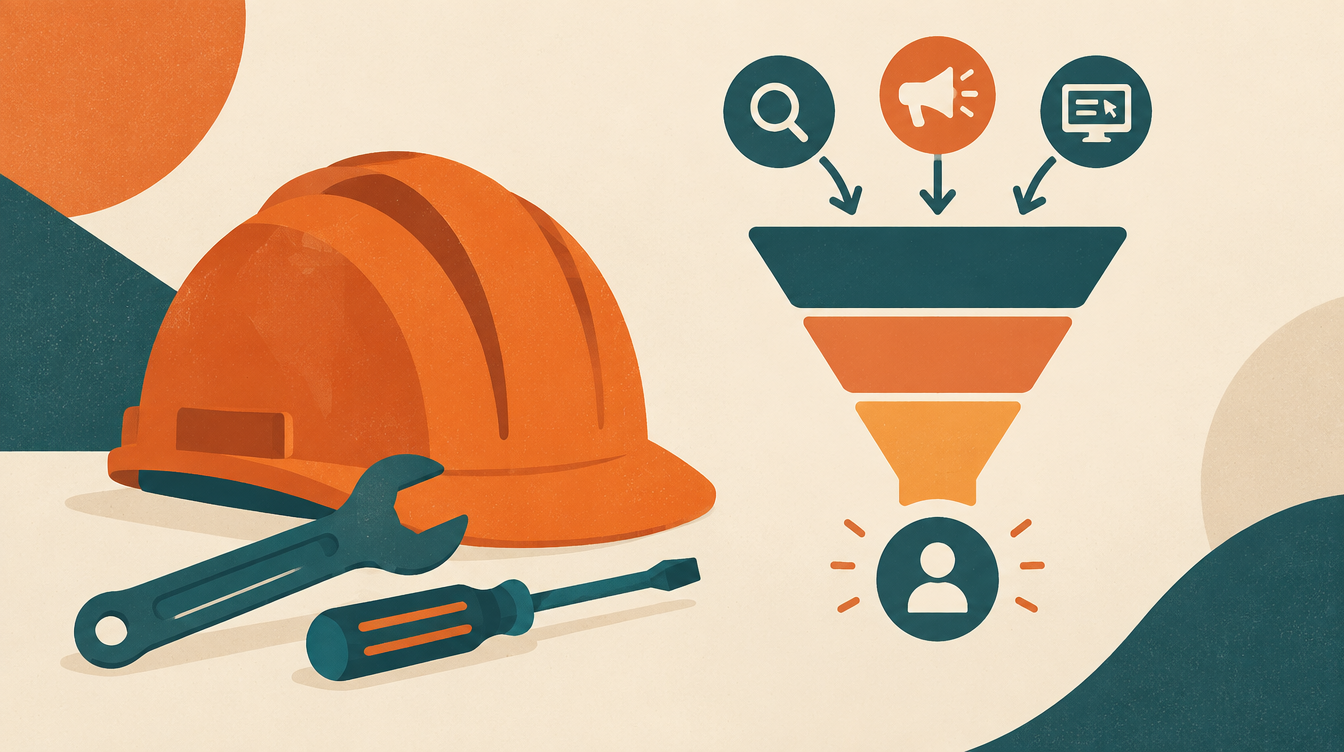
Both work, but they catch different people. Google Ads catches someone who already knows they need a roofer and is searching right now. Facebook ads reach homeowners earlier, while they're still scrolling and haven't decided this is the week they deal with the driveway or the kitchen.
Used well, the two channels feed different stages of one decision rather than compete for the same click. That timing difference is why "facebook ads don't work for contractors" shows up so often in trade forums. Someone runs a campaign expecting the same intent-driven response Google traffic gives them, judges it by the same standard, and concludes the platform doesn't work for the trade. It works, but it sells to someone who wasn't looking yet, and that changes what the ad and the offer need to do.
What's the real difference between an emergency-repair lead and a renovation lead?
They're different buyers on different timelines. An emergency lead, a leaking roof or a burst pipe, wants a callback within minutes and books the first contractor who answers. A renovation lead, a kitchen remodel or an extension, takes weeks to decide and is usually collecting three or four quotes before choosing.
Treating them as one audience is the most common reason a contractor's ad account underperforms.
| Emergency repair | Planned renovation | |
|---|---|---|
| Decision speed | Same day, often same hour | Weeks to months |
| Quotes compared | Whoever answers first | Three or more, usually |
| What the ad should lead with | Availability and speed | Portfolio, credentials, price range |
| Best next step | Phone call | Form, then a scheduled call |
| Biggest follow-up risk | Losing the job to the fastest reply | Losing the job to whoever answered questions best |
Running one generic "quality work, free quotes" campaign across both groups means the ad copy fits neither well. Emergency searchers scroll past anything that isn't obviously fast, and renovation shoppers scroll past anything that looks like a same-day repair outfit rather than someone who can manage a bigger project properly.
What should the ad actually offer instead of "get a free quote"?
A specific, believable next step that matches which of the two buyers is looking at it. "Free quote" has been the default offer in this trade for so long that it reads as background noise, the way "click here" once did before everyone stopped noticing it.
A few offers that tend to earn more clicks than a generic quote request:
- A same-day or next-day availability check for emergency-type work, stated plainly rather than implied
- A short video walkthrough of a recent, comparable job, so a renovation shopper can see the actual standard of work before they enquire
- A rough price range for a common job type, which filters out people who were never going to be a fit and keeps the ones who reply genuinely interested
Naming the type of job in the ad, a roof leak, a bathroom remodel, a fence replacement, does more work than most contractors expect. It tells the reader the ad was written for their specific problem rather than pulled from a generic template, and it filters out clicks from people whose job doesn't match what the campaign is actually built to handle.
How fast does a contractor need to call a lead back?
Faster than feels necessary, particularly for emergency-type enquiries. A homeowner with a leaking roof who fills out a form is, in the same few minutes, often filling out two or three others, and the contractor who calls back first usually gets the job regardless of who had the better ad or the stronger portfolio.
This isn't unique to contractors. Every local-service vertical in this series comes back to the same finding: the ad's job is to get someone to raise their hand, and what happens in the minutes after that decides more of the outcome than the campaign itself. For renovation-type leads the window is looser, but a form that sits unanswered for a day still reads as disorganisation to someone about to hand over a large project.
Should a contractor run their own Facebook ads or hire someone?
Running a single, narrow campaign is realistic with a genuine few hours a week set aside and the patience to let a test run its course before touching it. Most contractors are better off putting that time into estimates and jobs, and either hiring someone or setting aside a proper testing budget instead.
Meta Ads Manager itself is straightforward enough to pick up in an afternoon. Keeping a steady supply of real job photos and short videos is the part that actually takes ongoing effort, since stock images of generic tools or a logo on a truck rarely earn a click from someone comparing several contractors at once.
What's the biggest mistake contractors make with Facebook ads?
Sending every click, emergency and renovation alike, to the same generic "contact us" page with no sense of urgency either way. A homeowner with water coming through the ceiling wants a phone number and a promise of speed. A homeowner planning a kitchen remodel wants to see past work and a rough price range before enquiring at all.
One page trying to serve both usually undersells the urgency to the first group and looks thin on credibility to the second. Judging the campaign too early is the second recurring mistake. A slow first few days can mean the targeting needs work, or it can simply mean the algorithm hasn't found the right audience yet. Give a campaign a proper testing period and a real sample of leads before deciding whether it's the offer, the creative, or the audience that needs changing.
Frequently Asked Questions
Related articles
Book a free 30-minute strategy call. I'll show you exactly where your ads or automation are leaking money.
Book Your Strategy Call →